
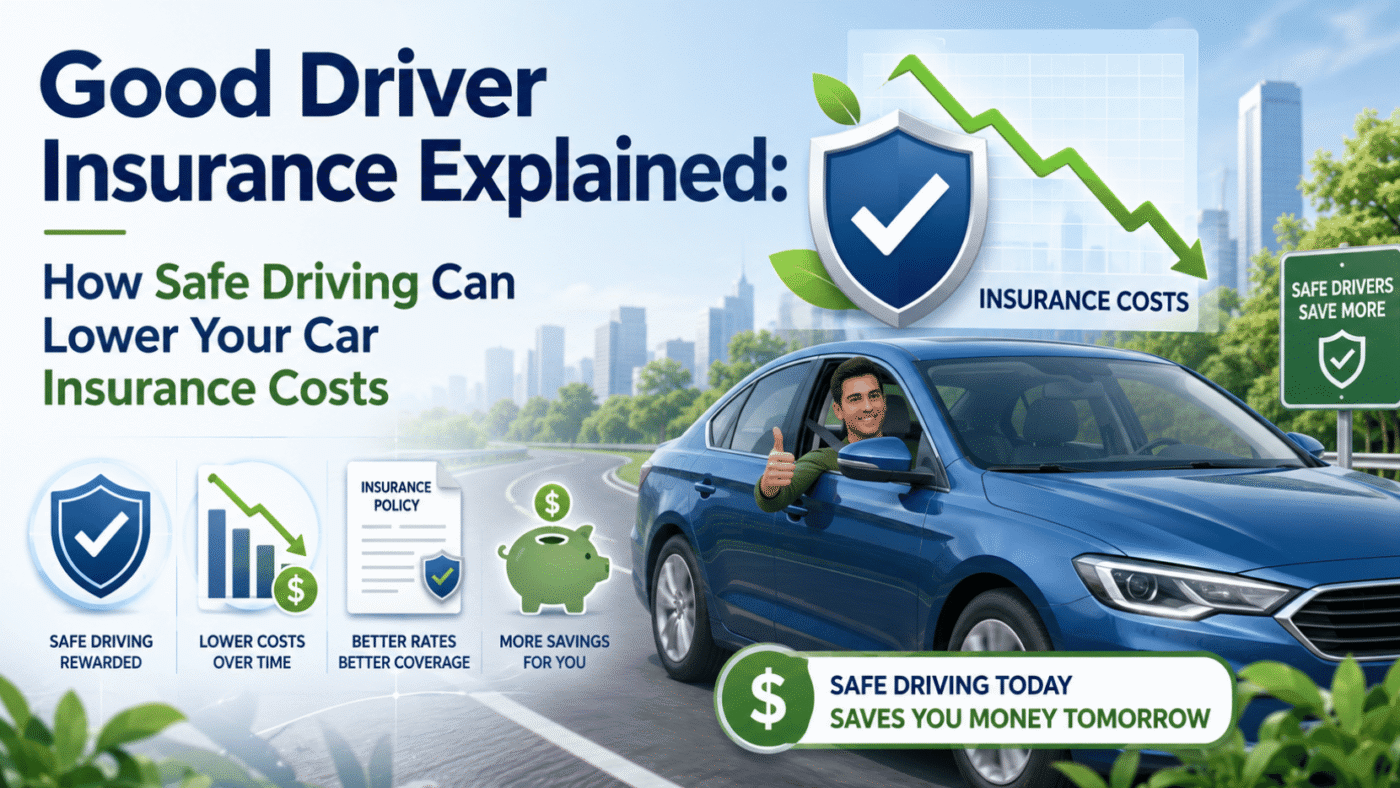
Good driver insurance can reward motorists who avoid accidents, claims, and serious traffic violations. Rather than being a separate type of policy, it usually refers to standard auto coverage with safe-driver rates or discounts. Insurers use different eligibility periods and rules.
That means a clean record may produce substantial savings with one company but only a modest discount with another. Comparing equal coverage quotes remains the most reliable way to find the right value.
| Topic | What You Should Know About Good Driver Insurance |
|---|---|
| Who may qualify | Good driver insurance may be available to drivers with few or no recent accidents, claims, or moving violations. |
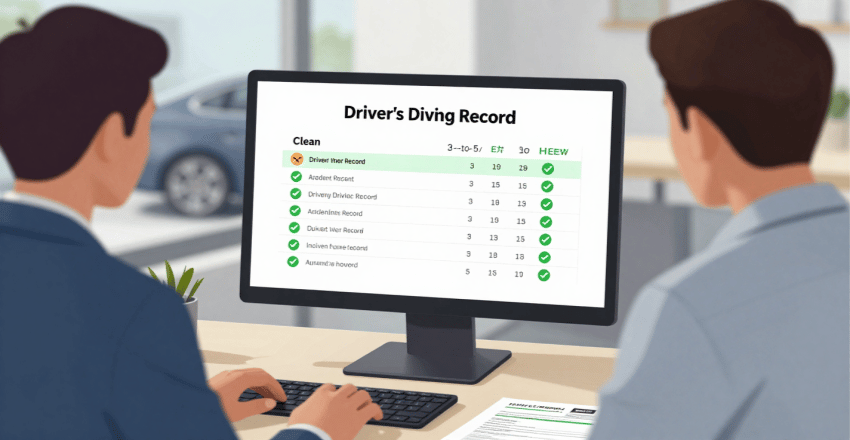
| Record review period | Insurers usually review three to five years of driving history, although qualification rules vary. |
| How savings are applied | Savings may come through a clean-driving discount, a lower-risk rating, or a telematics program. |
| Other possible discounts | Drivers may also save through low-mileage, defensive-driving, bundling, vehicle-safety, or automatic-payment discounts. |
| Best way to compare prices | Compare good driver insurance quotes using the same coverage limits, deductibles, drivers, and vehicles. |
| Key caution | A lower premium may come with reduced coverage, higher deductibles, or stricter eligibility requirements. |
Direct answer: Good drivers may pay less because insurers generally view a clean record as a sign of lower claim risk. Qualification rules vary by state and company. Drivers should compare matching quotes, ask which discounts are included, and check whether a telematics program can raise as well as lower the final rate.
What Is Good Driver Insurance?
The term describes auto insurance priced for someone with a favorable driving history. It doesn’t normally identify a special coverage type. You still choose familiar protections, such as liability, collision, comprehensive, uninsured motorist coverage, or medical coverage. Your record affects what you pay for those protections.
Insurers may recognize safe driving in several ways:
- A lower starting premium
- An accident-free discount
- A claim-free discount
- A good-driving discount
- A usage-based or telematics reward
- Accident forgiveness after an eligible period
For example, Progressive advertises separate three-year safe-driving, five-year accident-free, and five-year claim-free discounts. GEICO says an accident-free driver may qualify for savings on certain coverages, depending on the state and insurance history. Examples show why the label alone isn’t enough. You need to examine the insurer’s definition, qualifying period, affected coverages, and final premium.
Who Qualifies for a Safe-Driver Discount?

Eligibility differs among insurers and states. Still, companies often review several parts of your recent record.
A qualifying driver may need the following:
- No at-fault accidents during a stated period
- No serious moving violations
- Few or no minor tickets
- No DUI or reckless-driving conviction
- A valid license held for a minimum period
- Continuous insurance coverage
- A low or claim-free history
Many insurers examine the previous three to five years. American Family, for example, describes eligibility based on a clear five-year record, depending on the location and policy. California has a more specific legal definition. The state requires qualifying motorists to have held a license for the previous three years and limits the number of driving-record points they may have during that period.
California regulations also require a qualifying good driver’s rate to be at least 20% below the lowest comparable non-good-driver rate. Other states can differ. Ask an insurer or licensed agent which incidents count before assuming you qualify.
How Much Can Safe Drivers Save?
There is no universal discount percentage. Savings depend on your state, insurer, vehicle, coverage, age, mileage, and other rating factors permitted in your location.
Published insurer examples illustrate the range:
- GEICO says qualifying accident-free drivers may save up to 22% on most coverages.
- Progressive says drivers buying directly from the company pay an average of 33% less when they qualify as safe drivers.
- Usage-based programs may provide separate personalized savings based on recorded habits.
These figures aren’t guaranteed quotes. Each comes with eligibility rules and state restrictions. Age can also be misleading without the original price. A 20% discount on a high premium may still cost more than another insurer’s undiscounted offer.
Consider this simple example:
Insurer A advertises the largest discount, yet Insurer C has the lowest final price. Focus on the complete quote rather than the headline percentage.
Seven Ways to Get a Better Good-Driver Rate

1. Review your motor vehicle record
Check your driving record for incorrect accidents, tickets, or points before requesting quotes. The correction process can take time, so address errors before renewal.
2. Ask what “clean record” means
One company may require five accident-free years. Another may accept a shorter period or overlook certain minor incidents.
Ask whether the insurer reviews:
- At-fault accidents
- Not-at-fault accidents
- Comprehensive claims
- Speeding tickets
- Parking violations
- Claims involving another household driver
3. Compare identical coverage
Use the same liability limits, deductibles, vehicles, drivers, and optional protections for every quote. A lower quote may reflect less coverage rather than better pricing. Progressive advises consumers to compare equivalent selections when shopping for a policy. Check automatic and optional discounts
Some insurers identify accident-free savings automatically. Other discounts require enrollment, proof, or a completed course.
Ask whether you qualify for:
- Multi-policy savings
- Multi-vehicle discounts
- Paid-in-full pricing
- Paperless billing
- Defensive-driving courses
- Low-mileage programs
- Student discounts
These can sometimes be combined, although stacking rules vary.
5. Consider telematics carefully
Usage-based insurance may track mileage, hard braking, rapid acceleration, phone activity, and the time of day you drive.
Progressive’s Snapshot program, for example, uses driving behavior, mileage, and timing to personalize a rate. Its guidance encourages drivers to reduce hard braking, avoid handheld phone activity, and limit higher-risk late-night trips. Enrolling, confirm:
- Which behaviors the program records
- How long monitoring lasts
- Whether participation can increase your rate
- Who can view the information
- How passenger trips are corrected
- Whether every household driver must enroll
Telematics may suit careful, low-mileage drivers. It may be less attractive for people who drive late shifts, commute long distances, or frequently brake in dense traffic.
6. Take an approved defensive-driving course
Some insurers offer a discount after you complete a qualifying course. State rules, age limits, course approval, and discount periods vary. Check eligibility before paying for a class. Progressive notes that some states require these discounts, while others leave them to the insurer. Shop again at each renewal
Loyalty doesn’t always produce the lowest premium. Rates and underwriting models change, even when your driving record stays clean. Request several quotes before renewal. Keep your current declaration page nearby so each company prices comparable protection.
Can You Lose the Discount?
Yes. A new violation, at-fault accident, or qualifying claim may remove the discount. The event may also create a separate premium surcharge. Your rate could rise for other reasons too. Insurers may change pricing because of repair costs, local claim patterns, vehicle theft, coverage adjustments, or broader market conditions.
GEICO notes that a traffic violation or accident may remove a safe-driving discount. It also lists coverage changes, lapses, and removed multi-vehicle discounts among possible reasons for an increase. Questions after an incident:
- Will the event remove my discount?
- Will the insurer add a surcharge?
- How many renewal periods will the change affect?
Accident forgiveness may prevent a qualifying first loss from raising your rate, but availability and conditions vary. It may be earned, purchased, or excluded in certain states. Age-Based Insurance the Same Thing?
No. Traditional safe-driver pricing often uses your past record. Usage-based insurance measures at least part of your current driving behavior. Some motorists qualify for both. Review the privacy terms and possible downsides before choosing app-based monitoring.
How to Compare Policies Without Cutting Protection

Start with the coverage you need, not the price you hope to reach. Liability limits should reflect your financial exposure and state requirements.
Collision and comprehensive coverage may be required when a vehicle is financed or leased. Owners of older paid-off vehicles may choose differently after comparing the car’s value, deductible, and potential repair costs.
For broader ownership guidance, explore AutoVyra’s Automobile section. The site’s vehicle maintenance guides can also help you manage repair risks that insurance doesn’t cover.
Then compare the final premium alongside the following:
- Coverage limits
- Deductibles
- Exclusions
- Claims service
- Repair options
- Rental reimbursement
- Roadside assistance
- Accident-forgiveness terms
- Telematics conditions
AutoVyra’s Auto Insurance section is the natural place to review future explanations of coverage, claims, and policy savings.
Conclusion
Good driver insurance can make responsible driving financially rewarding, but the value of any discount depends on the insurer’s rules and the policy’s total cost. A clean record may help you qualify for lower base rates, accident-free savings, claim-free discounts, or personalized telematics pricing.
The best strategy is to compare several quotes using identical coverage limits, deductibles, vehicles, and drivers. Look beyond the advertised discount percentage and examine the final premium, exclusions, eligibility period, and consequences of a future accident or violation.
Safe driving remains one of the most effective long-term ways to control car insurance costs. By maintaining a clean record, reviewing available discounts, and shopping again before each renewal, you can pursue meaningful savings without sacrificing the protection you need.
Apart from that, if you want to know about temporary driver insurance, then please visit our auto insurance category.
Frequently Asked Questions
Good driver insurance is standard auto coverage priced for a motorist with a favorable driving history. The reward may appear as a lower base rate, a named discount, or both.
Many insurers review three to five years, but the exact period varies by company and state. Some companies offer different rewards at different milestones.
Not always. It depends on the ticket, state rules, insurer, and number of previous violations. Ask each company how it treats minor citations.
It may. State law and insurer rules determine whether the event affects pricing or discount eligibility. Request a written explanation when possible.
It may help low-mileage motorists with consistently safe habits. Review the tracked behaviors, privacy terms, and chance of a rate increase before enrolling.
Possibly. The course must often be approved by your state or insurer. Confirm eligibility, cost, and discount length before registering.
The Bottom Line
A clean record can reduce your insurance costs, but the largest advertised discount doesn’t always produce the cheapest policy. Compare final prices using equal limits and deductibles.
Ask each insurer how it defines a qualifying driver, which incidents matter, and how long a discount lasts. Review telematics terms before sharing driving data. Most importantly, protect the coverage you need while looking for savings.
Check AutoVyra’s insurance resources before your next renewal, then collect several matching quotes. A careful comparison can turn responsible driving into a lower premium without leaving important risks uncovered.