


Finding the best MPG SUV means looking beyond the largest fuel-economy number. The Kia Niro Hybrid leads many current rankings at up to 53 mpg combined, but it won’t suit every household. The Toyota RAV4 Hybrid and Kia Sportage Hybrid offer more room, while the Lexus UX 300h provides better cabin materials in a smaller package. The right choice depends on how much space you need, whether you want all-wheel drive, and how often you carry rear passengers or cargo.
| Quick answer | Recommendation |
| Highest combined MPG | Kia Niro Hybrid |
| Best all-around compact choice | Toyota RAV4 Hybrid |
| Best for interior space | Kia Sportage Hybrid |
| Best small luxury choice | Lexus UX 300h |
| Best easy-to-park Toyota | Toyota Corolla Cross Hybrid |
| Best for family practicality | Honda CR-V Hybrid |
| Best non-hybrid alternative | Nissan Rogue |
The short verdict: Choose the Kia Niro Hybrid when maximum fuel economy and a low starting price matter most. Pick the Toyota RAV4 Hybrid for the strongest balance of efficiency, space, available all-wheel drive, and everyday usefulness. Families who value rear-seat room should also consider the Kia Sportage Hybrid or Honda CR-V Hybrid.
Best MPG SUV Models Ranked for 2026
1. Kia Niro Hybrid: Best for Maximum Fuel Economy
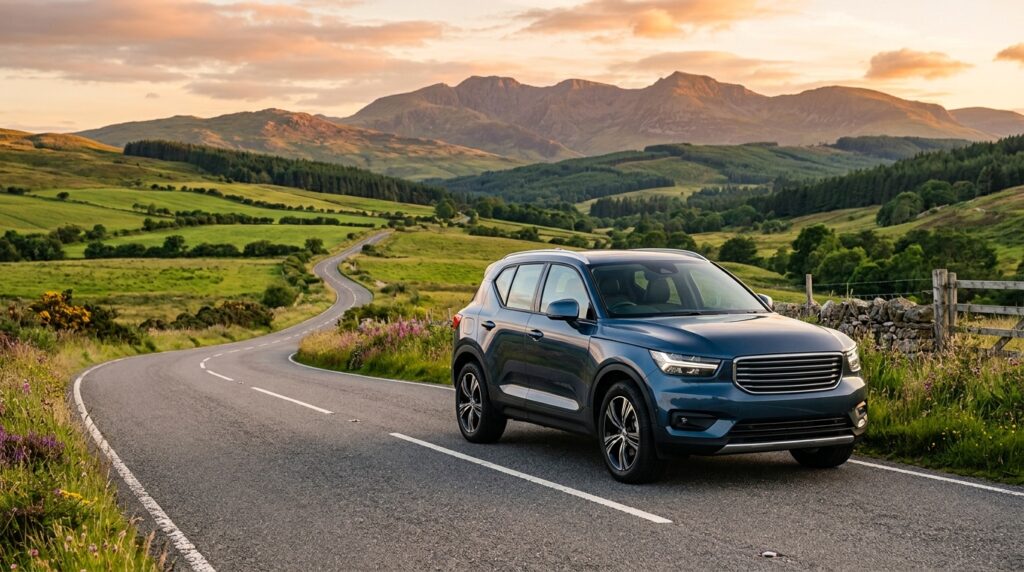
The Kia Niro Hybrid is the efficiency leader in this group. Depending on configuration, published EPA estimates reach as high as 53 mpg combined. That makes it an appealing choice for commuters who spend most of their time in city and suburban traffic. Its small footprint also makes parking and maneuvering easier than in a conventional compact crossover.
The cabin offers useful cargo flexibility, and the base price is lower than several larger hybrid competitors, making it a strong contender for drivers looking for the best MPG SUV. There are trade-offs. The Niro is front-wheel drive only, so shoppers who need all-wheel drive must look elsewhere. Its acceleration is modest, and the rear seat and cargo area are smaller than those in a RAV4, Sportage, or CR-V.
Pros
- Highest fuel-economy rating in this comparison
- City-friendly exterior dimensions
- Competitive starting price
- Practical hatchback-style cargo access
Cons
- No all-wheel-drive option
- Less passenger and cargo space than larger compact models
- Performance favors efficiency over speed
Best for: commuters, couples, and small households that place fuel savings above maximum space.
2. Toyota RAV4 Hybrid: Best Overall Choice
The Toyota RAV4 Hybrid is the strongest all-around recommendation for many buyers. Current figures reach approximately 43 mpg combined, depending on the configuration. That places it close to the most efficient small crossovers while providing a more spacious and traditional compact-SUV layout, making it one of the best MPG SUV options for drivers who want both fuel efficiency and practicality.
The RAV4 combines useful cargo capacity, available all-wheel drive, and enough rear-seat space for routine family use. It also feels more suitable for road trips than the smaller Niro or Lexus UX. Its fuel rating can vary by trim and drivetrain, so shoppers should compare the exact configuration shown on the EPA label. Larger wheels and equipment differences may reduce mileage.
Pros
- Strong balance of MPG, room, and versatility
- Available all-wheel drive
- Practical cargo area
- Suitable for commuting and family travel
Cons
- Costs more than the smallest hybrid crossovers
- Some configurations return lower mileage than the most efficient version
- Ride and cabin quality may not feel as refined as some rivals
Best for: buyers who need one efficient vehicle for commuting, errands, family use, and longer trips.
3. Kia Sportage Hybrid: Best for Cabin Space
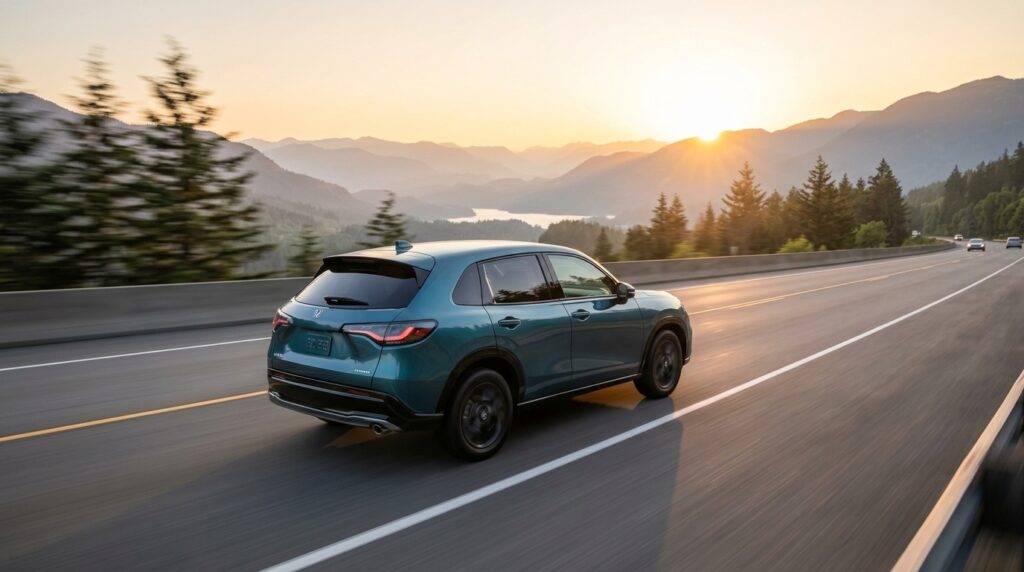
The Kia Sportage Hybrid offers a roomy cabin and a comfortable ride without giving up competitive gas mileage. Its most efficient configuration is rated at roughly 42 to 43 mpg combined, although all-wheel-drive versions may return less.
Rear passengers receive generous space, and the cargo area works well for strollers, luggage, groceries, or sports equipment. The Sportage also includes a modern cabin design and a broad selection of convenience features. Buyers should pay close attention to drivetrain and trim. The mileage gap between front-wheel-drive and all-wheel-drive versions can be meaningful.
Pros
- Spacious rear seat and cargo area
- Comfortable, quiet road manners
- Strong equipment levels
- Competitive efficiency for its size
Cons
- AWD versions may lose several MPG
- Controls can take time to learn
- Top trims can become expensive
Best for: small families that need more interior room than a subcompact hybrid provides.
4. Lexus UX 300h: Best Luxury MPG
The Lexus UX 300h is one of the most efficient luxury-branded crossovers. Depending on the drivetrain, its EPA rating reaches approximately 42 to 43 mpg combined. It works best for one or two people who want a refined front-seat environment, easy parking, and low fuel use.
The hybrid system is smooth in normal traffic, and the cabin feels more upscale than those in most mainstream subcompact models. Space is its main weakness. Rear-seat passengers may feel cramped, and the cargo area is less useful for large families or bulky items.
Pros
- Excellent efficiency for a luxury vehicle
- Refined cabin materials
- Compact dimensions
- Available all-wheel drive
Cons
- Tight rear seating
- Limited cargo capacity
- Higher purchase price than mainstream alternatives
Best for: city drivers and couples who want luxury finishes without accepting poor fuel economy.
5. Toyota Corolla Cross Hybrid: Best Small AWD Value
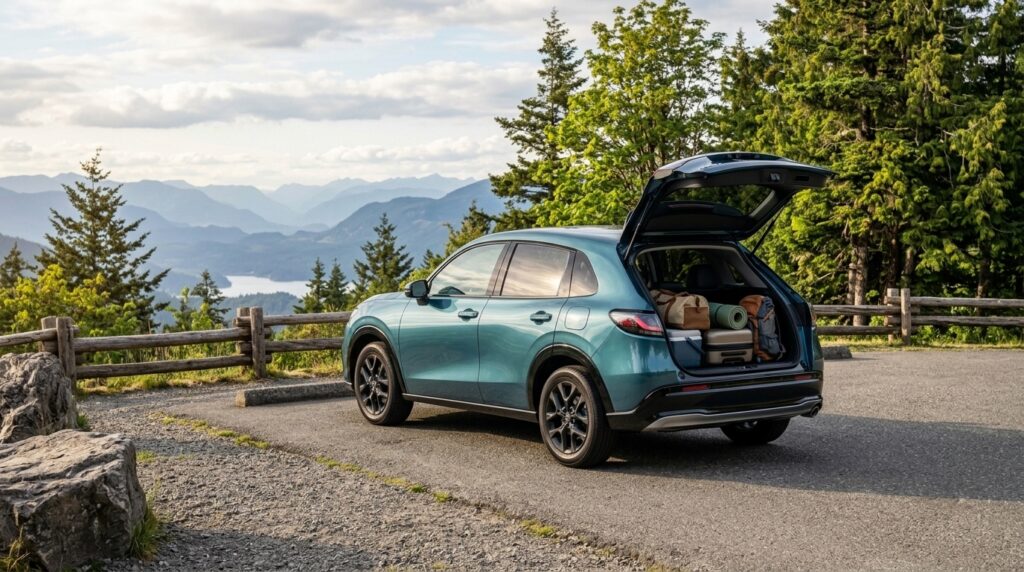
The Toyota Corolla Cross Hybrid delivers about 42 mpg combined and includes all-wheel drive. It sits between the smallest urban crossovers and roomier compact models. Its dimensions make it easy to drive in crowded areas, yet it provides more utility than a typical compact hatchback. In addition to this, read more about the Hot Rod Magazine on our Autovyra site.
The hybrid powertrain also gives it stronger response than the gasoline-only Corolla Cross. The interior is functional rather than luxurious. Shoppers who regularly carry adults in the rear may prefer the larger RAV4, Sportage, or CR-V.
Pros
- Strong combined MPG
- Standard hybrid all-wheel-drive system
- Easy to park and maneuver
- Lower price than many larger hybrids
Cons
- Rear space is only average
- Cabin materials are basic
- Less cargo room than larger compact options
Best for: buyers who want efficient all-wheel drive in a manageable, affordable package.
6. Honda CR-V Hybrid: Best for Everyday Family Use
The Honda CR-V Hybrid combines strong fuel economy with one of the most practical interiors in the segment. Published figures for efficient configurations are around 40 mpg combined, depending on model year, trim, and drivetrain, making it a compelling choice for buyers searching for the best MPG SUV that also offers a spacious cabin and everyday versatility.
Wide-opening doors, a roomy rear seat, and a useful cargo area make it easy to live with. Drivers also benefit from straightforward controls and comfortable road manners. It doesn’t lead this list in raw MPG, but its balance of space and efficiency may produce a better ownership experience for families than a smaller model with a higher rating.
Pros
- Spacious, practical interior
- Comfortable ride
- Easy entry and exit
- Strong efficiency for a roomy compact vehicle
Cons
- Lower MPG than the Niro
- Hybrid trims cost more than basic gas versions
- AWD models may be less efficient
Best for: families that prioritize comfort and interior usability over winning the mileage contest.
7. Nissan Rogue: Best Gas-Only Alternative
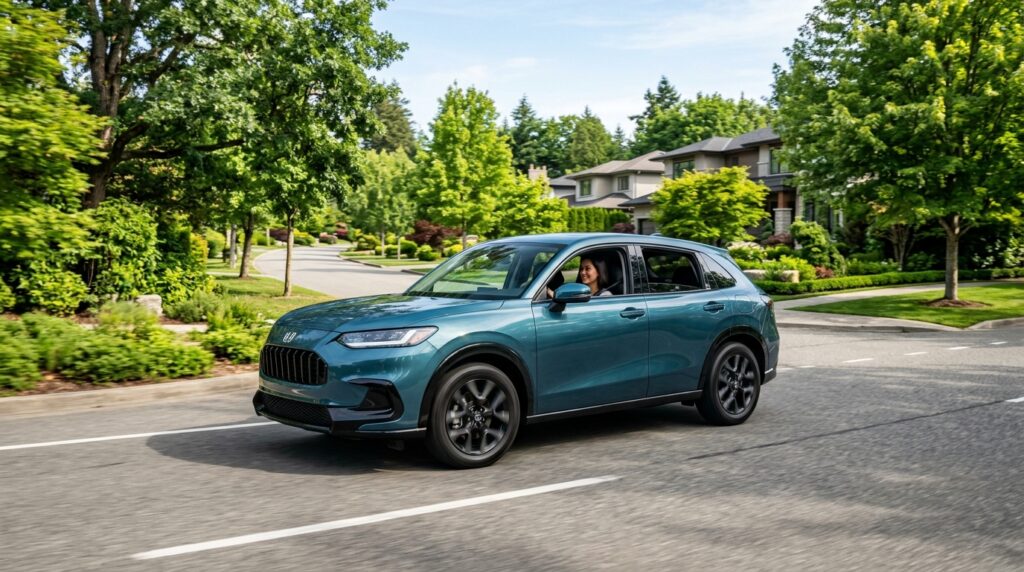
A hybrid is usually the answer when fuel economy is the main goal. Still, some shoppers prefer a conventional gasoline engine or don’t want to pay a hybrid premium. The Nissan Rogue is one of the more efficient gas-only compact options, with some versions rated around 32 mpg combined. It can’t match a Niro or RAV4 Hybrid, but it offers good passenger space and avoids the cost of a hybrid powertrain.
Pros
- Good mileage for a non-hybrid compact crossover
- Comfortable seating
- Useful cabin and cargo space
- Lower complexity for hybrid-averse buyers
Cons
- Uses more fuel than every hybrid on this list
- Real-world results depend heavily on speed and driving style
- Less efficient in stop-and-go traffic than most hybrids
Best for: shoppers who want respectable fuel economy but prefer a conventional gasoline model.
Side-by-Side Fuel-Economy Comparison
| Model | Approximate combined MPG | Drivetrain availability | Main advantage | Main drawback |
| Kia Niro Hybrid | Up to 53 | FWD | Highest MPG | No AWD |
| Toyota RAV4 Hybrid | Up to 43 | AWD available | Best overall balance | Higher price than smaller models |
| Kia Sportage Hybrid | Up to 42–43 | FWD or AWD | Spacious cabin | AWD reduces MPG |
| Lexus UX 300h | Up to 42–43 | FWD or AWD | Luxury efficiency | Tight rear seat |
| Toyota Corolla Cross Hybrid | About 42 | AWD | Small and practical | Average interior space |
| Honda CR-V Hybrid | Around 40 | FWD or AWD | Family-friendly layout | Not the MPG leader |
| Nissan Rogue | Around 32 | FWD or AWD | Efficient gas-only choice | Trails hybrids |
Fuel-economy figures can change by trim, wheels, drivetrain, and model-year certification. Check the window sticker and the EPA database for the exact vehicle you plan to buy. The federal FuelEconomy.gov site publishes annual guides and comparison tools for current models.
How to Choose the Right Efficient SUV?
Match The Vehicle To Your Real Space Needs
Buying the smallest model will usually save fuel, but it may create problems if you often carry adults, child seats, pets, or luggage. The Niro and UX make sense for lighter passenger loads. The RAV4, Sportage, and CR-V are better suited to families and frequent road trips.
You can find more ownership and buying guidance in AutoVyra’s Automobile section.
Decide Whether You Truly Need All-Wheel Drive
All-wheel drive can improve traction in snow, rain, or loose surfaces. It also adds weight and mechanical drag, which may reduce fuel economy. A front-wheel-drive model may be the smarter choice in a mild climate. Compare the specific EPA labels rather than assuming every trim gets the headline rating.
Compare Annual Fuel Use, Not MPG Alone
MPG differences become easier to understand when converted into yearly fuel use.
At 12,000 miles per year:
- A vehicle returning 53 mpg uses about 226 gallons.
- A vehicle returning 43 mpg uses about 279 gallons.
- A vehicle returning 32 mpg uses about 375 gallons.
The gap between 53 and 43 mpg is about 53 gallons per year. The difference between 43 and 32 mpg is about 96 gallons. Your savings depend on local fuel prices and annual mileage.
Include Purchase Price In The Calculation
A high MPG rating does not guarantee the lowest total ownership cost. A more expensive trim may take years to recover its price premium through fuel savings.
Compare:
- Vehicle purchase price
- Financing cost
- Insurance
- Expected annual fuel use
- Maintenance
- Tire replacement costs
- Depreciation
AutoVyra’s vehicle-maintenance guidance can also help you account for routine servicing and long-term care.
Hybrid, Plug-In Hybrid, or Gas?
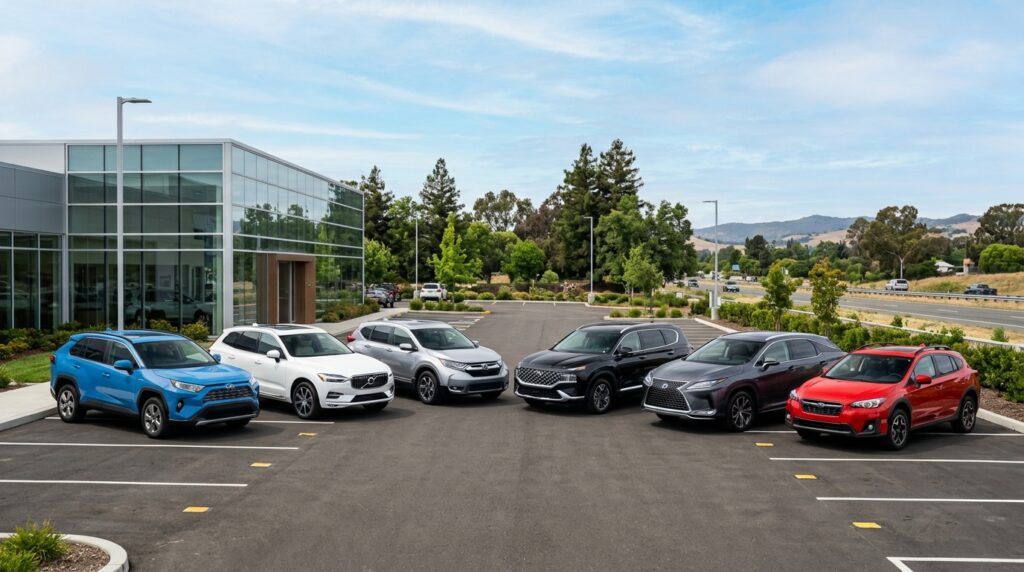
A standard hybrid works well for drivers who want fuel savings without charging. It recovers energy during braking and uses electric assistance to reduce gasoline consumption. A plug-in hybrid can travel on electricity for shorter trips, but its MPGe rating shouldn’t be compared directly with a normal MPG figure.
Results depend on how often you charge and how far you drive between charges, so it’s important to compare models carefully when searching for the best MPG SUV. A gas-only vehicle may cost less upfront. It can still be a sensible choice for low-mileage drivers who wouldn’t recover a hybrid premium through fuel savings.
Our Verdict
The best MPG SUV for maximum efficiency is the Kia Niro Hybrid. It earns that position through its class-leading combined fuel-economy figure and accessible price. The Toyota RAV4 Hybrid is our broader recommendation. It gives up some MPG but adds more room, available all-wheel drive, and greater flexibility for family use.
Choose the Kia Sportage Hybrid when rear-seat and cargo space matter most. Pick the Lexus UX 300h when you want luxury in a compact package. The Honda CR-V Hybrid remains a strong option for buyers who value easy everyday use. Before purchasing, compare the exact trim’s EPA label, test the rear seat, measure the cargo area, and request an insurance quote. Those steps reveal more than a headline MPG number alone.
Frequently Asked Questions
Among mainstream non-plug-in hybrid crossovers in current 2026 rankings, the Kia Niro Hybrid leads with an EPA estimate reaching about 53 mpg combined.
More than 30 mpg combined is good for a conventional gasoline crossover. Around 38 to 43 mpg is strong for a compact hybrid, while the most efficient small hybrids can exceed 50 mpg.
It may be worthwhile when you drive many miles, spend time in city traffic, or keep vehicles for several years. Compare the hybrid price premium with estimated annual fuel savings before deciding.
It often does. Extra components and weight can lower efficiency, although the size of the difference varies by model. Compare front-wheel-drive and all-wheel-drive EPA ratings for the same vehicle.
EPA ratings provide a standardized comparison, but your result may differ. Speed, temperature, traffic, tire pressure, cargo weight, terrain, and driving behavior can all affect fuel use.
Choose the vehicle that fits your normal passenger and cargo needs. A sedan or hatchback may use less fuel, but an efficient crossover can be worthwhile when you need easier entry, more cargo flexibility, or additional ground clearance.