
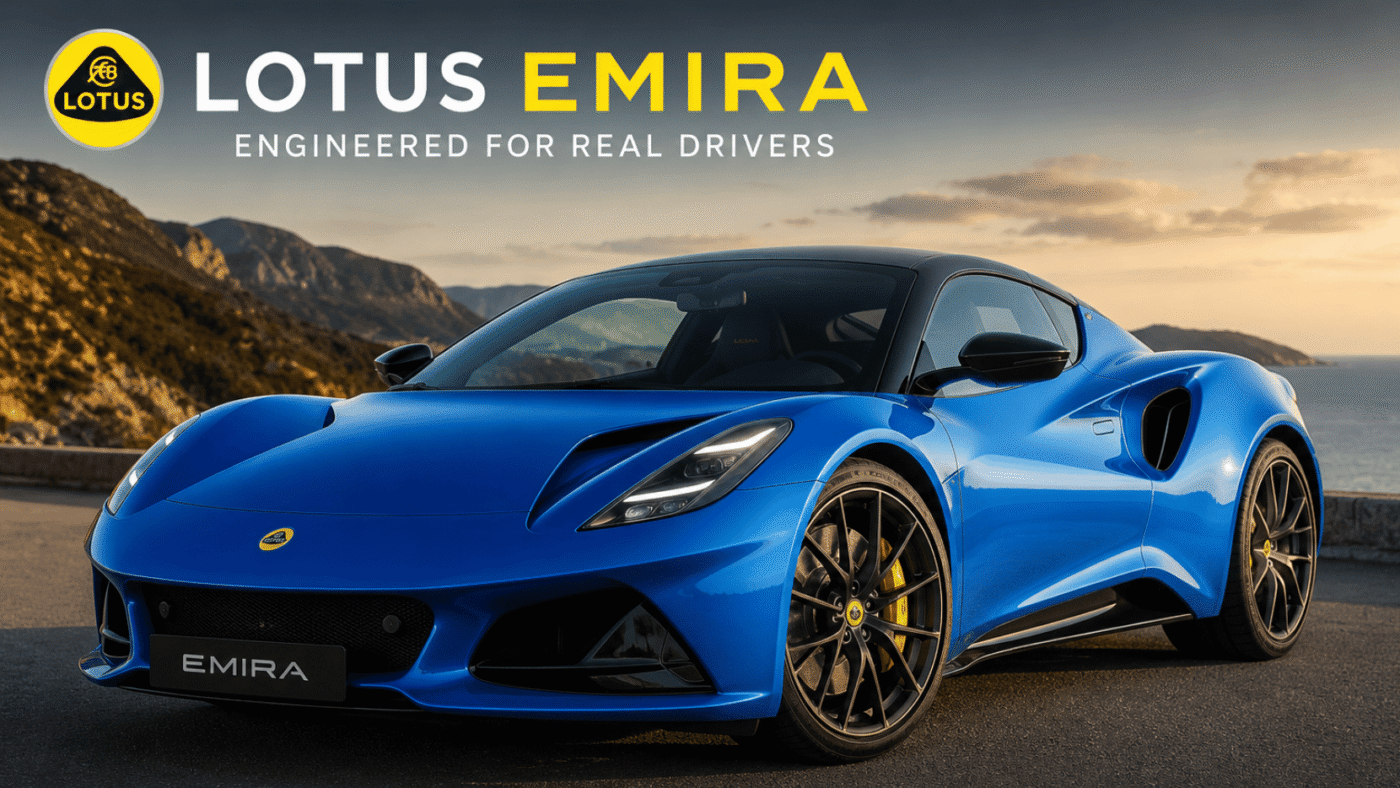
The Lotus Emira combines a mid-engine layout, rear-wheel drive, hydraulic steering, and exotic styling with more everyday comfort than earlier Lotus sports cars. For 2026, buyers face an important choice between turbocharged four-cylinder models and the supercharged V6, while newer high-performance versions push the platform further.
| Key fact | What buyers should know |
| Layout | Mid-engine, rear-wheel drive |
| Engines | 2.0-liter turbo four-cylinder or 3.5-liter supercharged V6 |
| V6 output | 400 hp |
| Turbo SE output | 400 hp |
| Transmission choices | Six-speed manual or automatic with V6; eight-speed dual-clutch with turbo |
| 2026 U.S. pricing | Published starting figures are roughly $107,000–$109,000 |
| Main appeal | Steering feel, chassis balance, styling, and driver involvement |
| Main compromises | Price, limited practicality, fit-and-finish concerns, and small-car storage |
Direct answer: The Emira is best suited to drivers who value steering feedback and chassis balance more than outright practicality. Choose the V6 manual for mechanical involvement and engine character. The turbocharged versions suit buyers who prefer quicker automated shifts, stronger torque, and easier everyday driving.
What Makes the Lotus Emira Different?
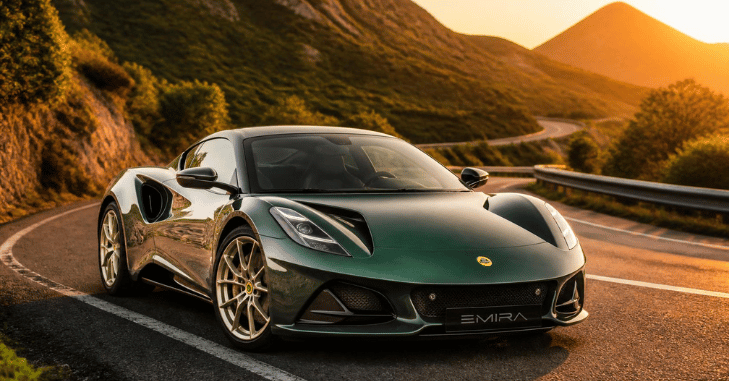
Many modern performance cars chase acceleration, digital features, and increasingly complicated chassis systems. The Lotus Emira takes a more traditional route. Its engine sits behind the seats, power goes to the rear wheels, and the steering remains hydraulically assisted.
Car and Driver has consistently highlighted the steering and balanced chassis as two of the car’s strongest qualities. MotorTrend also praises its steering feel and handling balance. This gives the car a distinct position among modern sports coupes. It offers dramatic proportions without becoming a huge, ultra-high-output supercar.
Drivers comparing performance cars can also see AutoVyra’s C8 Corvette ZR1 guide, which shows how a much more powerful mid-engine car approaches performance from a different direction.
V6 vs Turbo: Which Version Should You Choose?
The biggest decision is not color or trim. It is the powertrain. Lotus press specifications list a 2.0-liter turbocharged four-cylinder paired with an eight-speed dual-clutch transmission. The Turbo SE raises output to 400 bhp and reaches 62 mph in a claimed 4.0 seconds. supercharged 3.5-liter engine with 400 horsepower.
It can be paired with a six-speed manual, which makes it especially important for buyers who still want three pedals in a mid-engine sports car. Car and Driver lists 310 pound-feet of torque for the V6 and 354 pound-feet for its 400-hp turbo configuration.
| Version | Main strength | Main compromise | Best for |
| V6 manual | Driver involvement, sound, manual gearbox | Less torque than turbo; manual requires more effort | Weekend and enthusiast driving |
| V6 automatic | V6 character without a clutch pedal | Loses much of the manual model’s unique appeal | Buyers set on the V6 but wanting convenience |
| Turbo / Turbo SE | Strong torque, fast dual-clutch shifts | No manual transmission | Daily driving and easy performance |
| 420 Sport | More power, lighter track-focused hardware available | Higher price and no manual | Drivers prioritizing pace and chassis performance |
Verdict: The V6 manual is the most distinctive choice for a traditional enthusiast. The turbo makes more sense when quick shifts and daily usability matter more than changing gears yourself.
How Fast Is It?
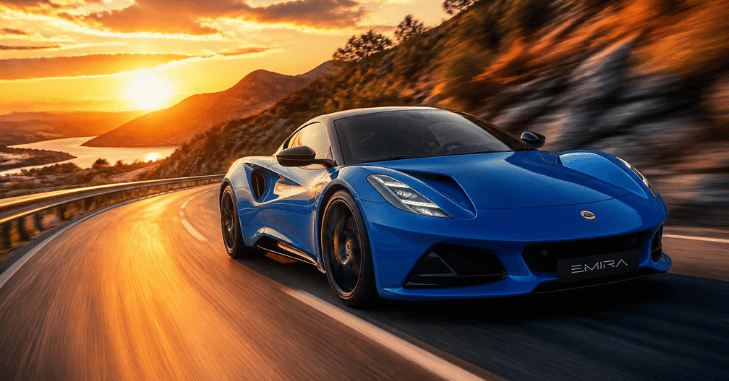
Performance varies by version, but even the regular cars sit firmly in sports-car territory. Lotus lists the Turbo SE at 400 bhp, a 0–62 mph time of 4.0 seconds, and a 181-mph top speed. Its standard turbo specification is rated at 360 bhp, 4.4 seconds to 62 mph, and 171 mph in current global press information.
Exact specifications can vary by market. It has 400 horsepower and offers a different experience. Its appeal comes less from winning an acceleration contest and more from combining the supercharged engine with a manual gearbox and communicative chassis. That distinction matters. A car can be slower on paper yet more satisfying on the right road.
What Is the 420 Sport?
The newer 420 Sport moves the four-cylinder platform further toward track-focused performance. Car and Driver’s July 2026 drive report: 416 horsepower, 369 pound-feet of torque, a claimed 3.7-second 0–60 mph time, and a $125,400 price. An available Lightweight Handling Package cuts weight through components, including a lighter battery and additional performance hardware. We cover this in more depth in Honda Prelude.
Reports a 3.7-second 0–62 mph figure and 186-mph maximum speed for the new model. Therefore, it changes the usual engine debate. Buyers no longer have to view the turbo car simply as the convenient alternative to the V6. It now has a stronger performance argument of its own.
How Much Does a 2026 Model Cost?
Current published U.S. figures deserve careful attention because sources do not all show the same starting number. Autoblog currently lists a starting MSRP of $106,900 for the 2026 model. Car and Driver lists a range from $109,400 to $142,400, depending on configuration.
Price is a good reason to confirm the exact model year, trim, destination charges, options, and dealer inventory before comparing offers. Price also changes the competitive picture. At more than $100,000, buyers may consider everything from other sports coupes to used luxury performance cars.
For another example of how purchase price and ownership condition interact, read AutoVyra’s Mercedes-Benz SL550 buying guide.
What Is It Like to Drive?
Steering is the headline feature. Unlike many new performance cars, the Emira uses hydraulic power assistance. Reviewers repeatedly praise the feedback, accuracy, and sense of connection it provides. The mid-engine layout also helps create balanced responses through corners, more refined than older Lotus models. You get a cabin designed for normal road use rather than a sparse interior built around weight reduction alone.
Top Gear describes it as much easier to imagine using every day than an Elise or Exige, while still noting that some drivers may want more delicacy from the chassis. Less extreme than the Lotus stereotype suggests.
Where Does It Fall Short?
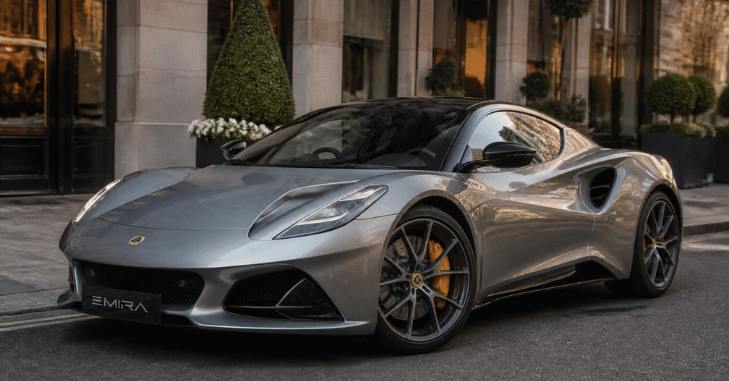
No sports car this focused is free from compromises.
Review outlets commonly identify several concerns:
- Cargo and cabin storage are limited.
- Some reviewers criticize fit and finish against similarly priced cars.
- The manual shifter can feel less polished than expected.
- Low seating, visibility, and sports-car dimensions demand more care in daily use.
- Pricing now places well-equipped versions against formidable alternatives.
Car and Driver notes concerns around shifter behavior, brake modulation, and finish quality. CARFAX also flags price and fit-and-finish concerns while praising the car’s handling and engines. Do not erase the appeal. They matter more once the price passes six figures.
Is It a Good Daily Driver?
It can be, provided you understand what you are buying. Climate control, modern infotainment, a more finished interior, and reasonable road manners make it more usable than older lightweight Lotus models. Yet it remains a low two-seat sports car with limited luggage capacity.
For a buyer with another practical vehicle, those compromises may be trivial. Someone planning to use it for every commute, airport trip, grocery run, and long journey should test its storage and cabin ergonomics first.
AutoVyra’s broader automobile section has additional buyer guides and performance-car coverage for cross-shopping.
Should You Buy One?
Buy one because you value how a car communicates, not because you need the largest horsepower number for your money. The V6 manual remains the choice with the clearest enthusiast identity. The turbo models provide easier speed and a modern dual-clutch drivetrain.
The 420 Sport strengthens the case for buyers who put performance ahead of manual-shift involvement. Before ordering, drive the exact powertrain you are considering. Check local pricing and available inventory rather than relying on an older advertised MSRP. Then compare the whole ownership proposition: purchase price, insurance, service access, tires, storage, dealer proximity, and how often you will use the car.
For more enthusiast-car context, AutoVyra also covers collectible performance models such as the 1999 Saleen S351.
Is the 420 Sport worth considering?
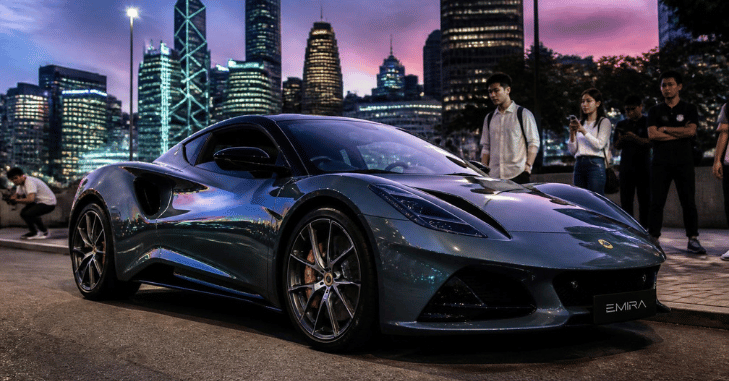
Yes, especially for drivers who prefer the turbo drivetrain. Its added output, available lightweight hardware, and stronger performance distinguish it from the standard versions. Its higher price makes a test drive and careful comparison essential. Line
The Lotus Emira occupies an increasingly unusual corner of the performance-car market. It mixes exotic looks, a mid-engine chassis, hydraulic steering, and available manual shifting with enough comfort to make regular road use realistic.
Choose the V6 manual when interaction matters most. Choose a turbo version for quick shifts and stronger low-end response. Look at the 420 Sport when outright performance moves higher on your priority list. The right version is not necessarily the quickest one. It is the one whose powertrain and character make you want to keep driving after the destination stops mattering.
Frequently Asked Questions
Published U.S. figures currently begin around $107,000 to $109,000, depending on the source and configuration. Options and higher trims can raise the price significantly. Confirm the current sticker price for the specific car you are considering.
Yes. The supercharged V6 is available with a six-speed manual. Turbocharged four-cylinder versions use an eight-speed dual-clutch automatic transmission.
The V6 suits buyers who prioritize sound, a manual gearbox, and traditional sports-car interaction. The turbo engine is better suited to drivers who prefer strong torque and quick automatic shifts.
That depends on the exact models being compared. Several Corvette and Porsche versions offer substantially quicker acceleration. The Lotus focuses more heavily on steering feedback, balance, size, and driver involvement than winning a straight-line numbers contest.